Looking back at 2025’s Learning Uncut podcast conversations, a strong pattern emerged from the personal stories behind the work of many of our guests. Some of the most impactful L&D work we heard about came from professionals whose personal experiences had given them a particular lens on the challenges their learners faced.
Empathy is an L&D superpower.
What if the challenges or struggles in your own experience offer a significant advantage in your L&D work?
Two Sources of Empathy Advantage
The empathy advantage is the ability to see barriers others can’t. You can see them either because you’ve lived them or you’ve intentionally learned to see them through rigorous human-centred design practice.
This empathy shapes not just what you build, but who you build it for and how you design for their reality rather than your assumptions about it.
Three conversations from 2025 show this advantage in action. Two are from professionals whose struggles became their superpowers, and one from someone who makes empathy systematic through design.
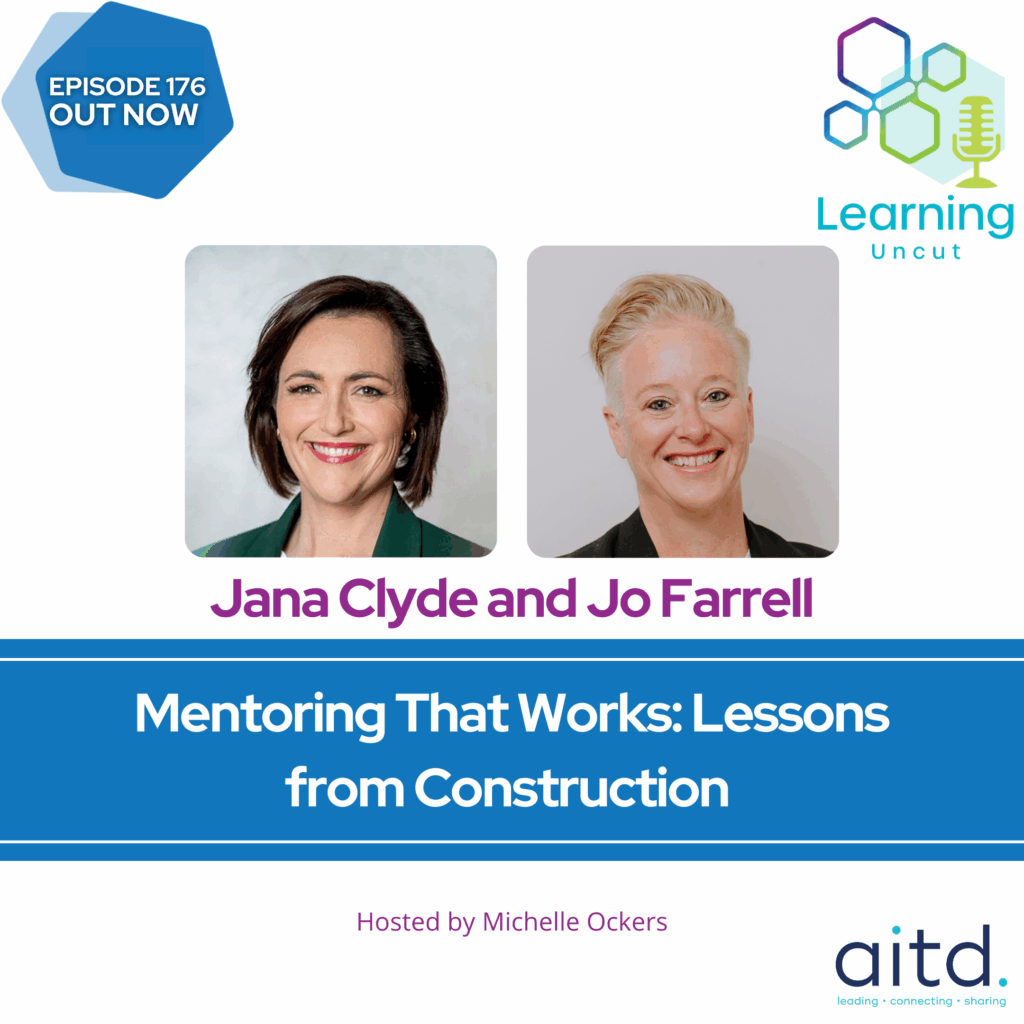
Jo Farrell: Survival Becomes Service
In 1996, Jo Farrell wanted an apprenticeship like the guys in her class who went to the steelworks through family connections. People around her told her to be a hairdresser instead.
She got her carpentry apprenticeship anyway. But then she found herself as the only woman on a site with 250 men. No bathrooms. No safe places. At 18 and 19 she felt like an outsider and was ready to quit.
Meeting mentor Alison Mirams changed everything. Jo described it as ‘winning the professional lottery.’ This relationship gave her the lifeline she needed to stay.
Now Jo runs Build Like a Girl, mentoring women in construction. Her movitation is simple: “I wanted to be the support that I didn’t have.” The most powerful enablers remember needing enabling. Jo mentors to be of service, and as an act of gratitude to those who have mentored her. Her empathy is an embodied experience that shapes her work supporting young women entering construction. And whilst progress has been made, programs like NAWIC’s mentoring initiative remain essential because isolation and barriers haven’t disappeared.
Christine Gaynor-Patterson: Technology Empowers Access
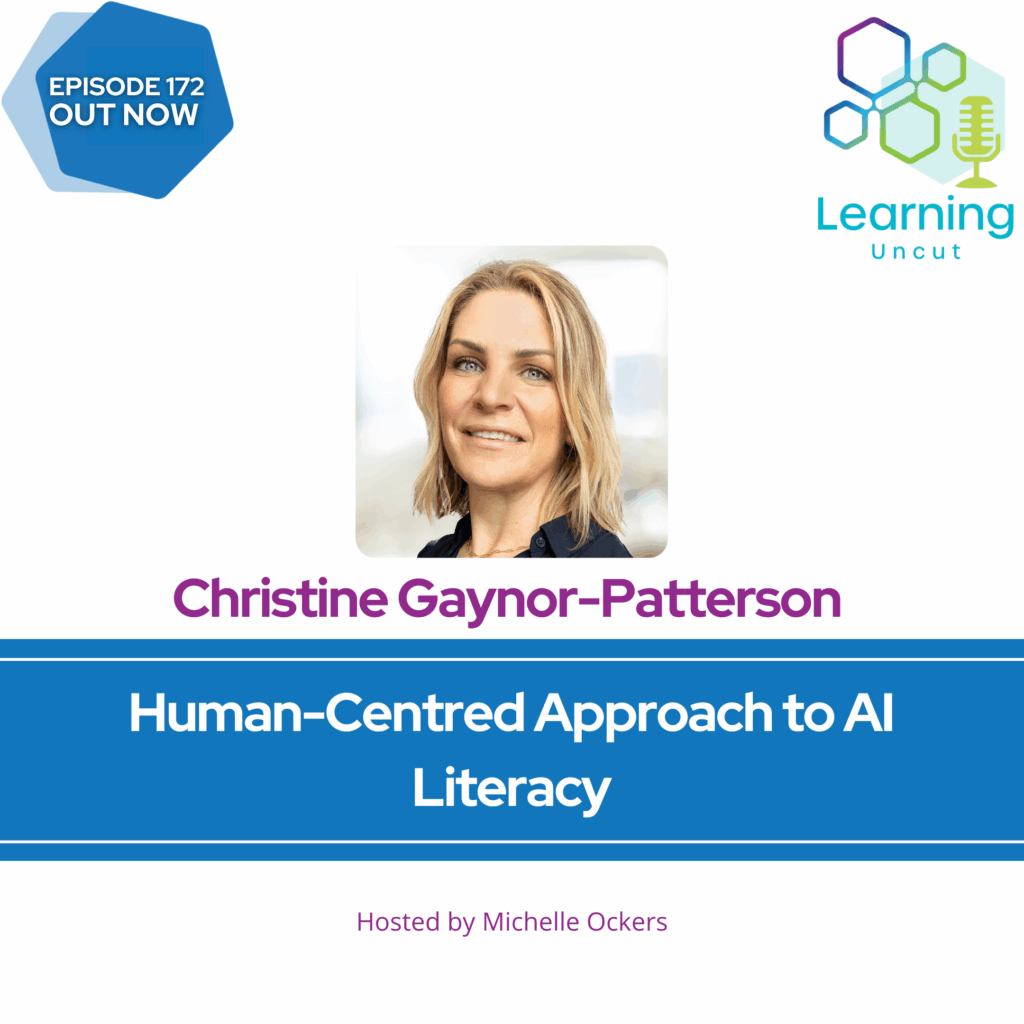
Christine started her career in special education. In her words: “Technology itself was very purposeful. It was assistive, empowering, life-changing.” Her lens on technology travelled with her into corporate L&D and the AI literacy work she discussed on the podcast.
While others asked “what do we want people to do with AI?”, Christine asked “Who do we want them to become?”
That question comes from someone who’s seen technology remove barriers to participation, not just streamline tasks.
When designing AI literacy programs, Christine created personas that included ‘The Hesitant Worker,’ those who might be fearful. Her special education background meant she designed for those who need access and safety first, before instruction.
Empathy isn’t context-specific. Christine’s special education background taught her to ask different, more human questions about barriers and access. Her transferred lens creates perspectives that others miss.
Keith Heggart: Making Empathy Systematic
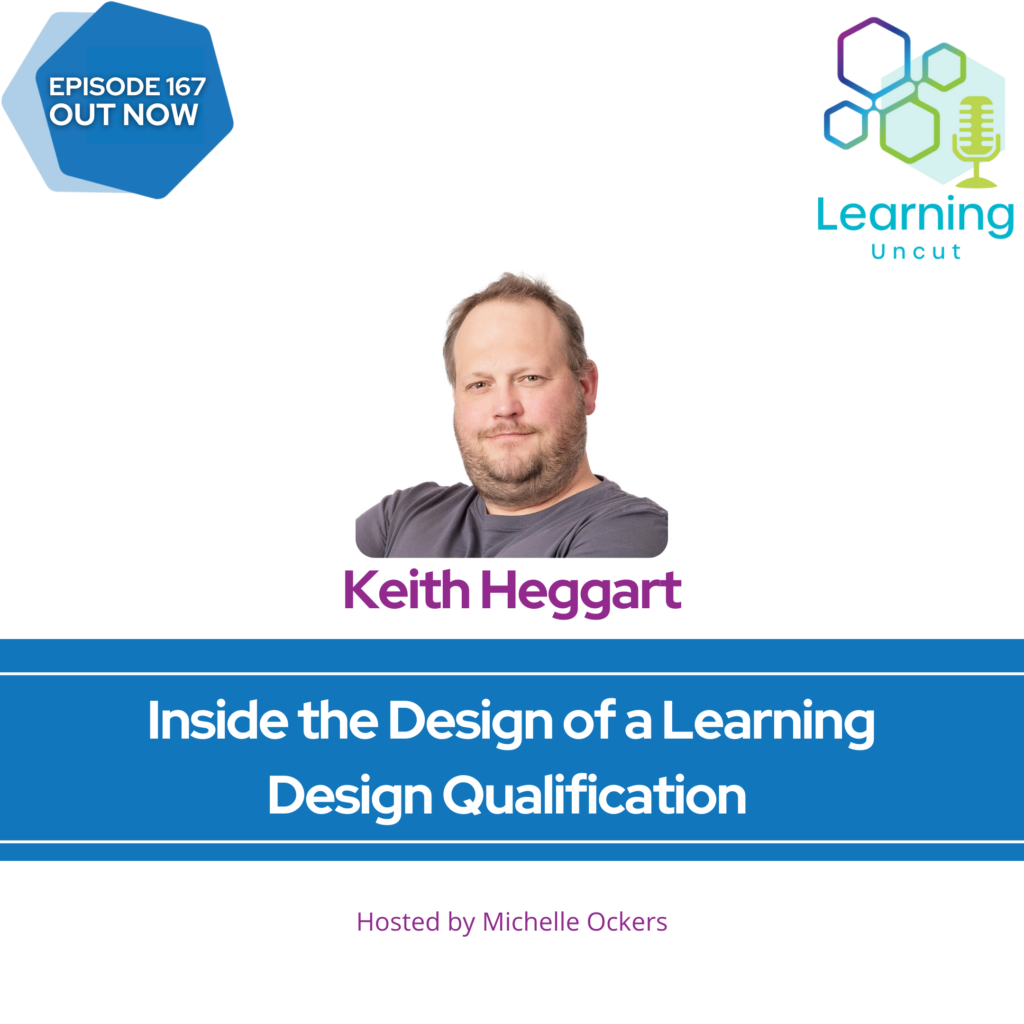
Keith was designing a Graduate Certificate in Learning Design. He created eight learner personas to guide the design. One was the ‘Tired Teacher.’
He originally called it the ‘Career Change Teacher’ until he heard from teachers who were moving into organisational L&D roles: “We’re just tired, we want something different.” So he kept the raw truth: exhaustion, time poverty, 70-80 hour working weeks, needing an alternative that didn’t demand everything.
While Keith himself wasn’t an exhausted teacher, his deliberate approach to building empathy provided this insight. He spent three to four months “existing in the problem space,” talking to everyone he could find, asking at the end of every conversation: “Who else should I talk to?”
The result was eight personas that became constant touchpoints as he designed. This is empathy made systematic.
Keith didn’t need to be exhausted himself. He needed to listen and design from what he heard.
Your Empathy Advantage
Everyone has experiences that can create an empathy advantage. You don’t need dramatic trauma. Moving cities can do it. Changing careers. Being ‘different’ in your community. Struggling with learning yourself. Caring for someone with disabilities. Being a first-generation university graduate.
If you have relevant lived experience:
What made you the outsider? What systems shut you out? What did you have to figure out alone? That’s not baggage to overcome. That’s experience that you can leverage. It’s what helps you see learners in a way that others might miss.
If you don’t have directly relevant struggle:
You can cultivate empathy through disciplined human-centred design practice. Like Keith, spend time in the problem space. Create personas that honour learners’ reality. Build connection points that acknowledge their context. Ask “who do we want them to become?”
If you’ve been in L&D for years:
Keep seeking perspectives that challenge your assumptions. Look for insights from both L&D communities and those outside L&D. Question your own practices when someone newer asks “why do we do it that way?”
Reflection prompts for everyone:
- What experience shapes how you see learners that others might miss?
- Who are you designing for? Who are they and how do they experience the world of work?
- Where in your design process do you build space for genuine human connection?
- What barriers do your learners face that you need to understand better?
What 2026 Needs
L&D is at its best when designed with deep empathy, whether earned through lived experience or cultivated through disciplined human-centred practice.
Your unique perspective, the lens your background has given you, allows you to elevate your L&D practice to be truly transformational for people. As we navigate AI, continuous change, and increasingly diverse workforces, empathy is a clear advantage. Make it your 2026 L&d superpower.